Generative UI: The Future of Graphic Design & Web Interfaces
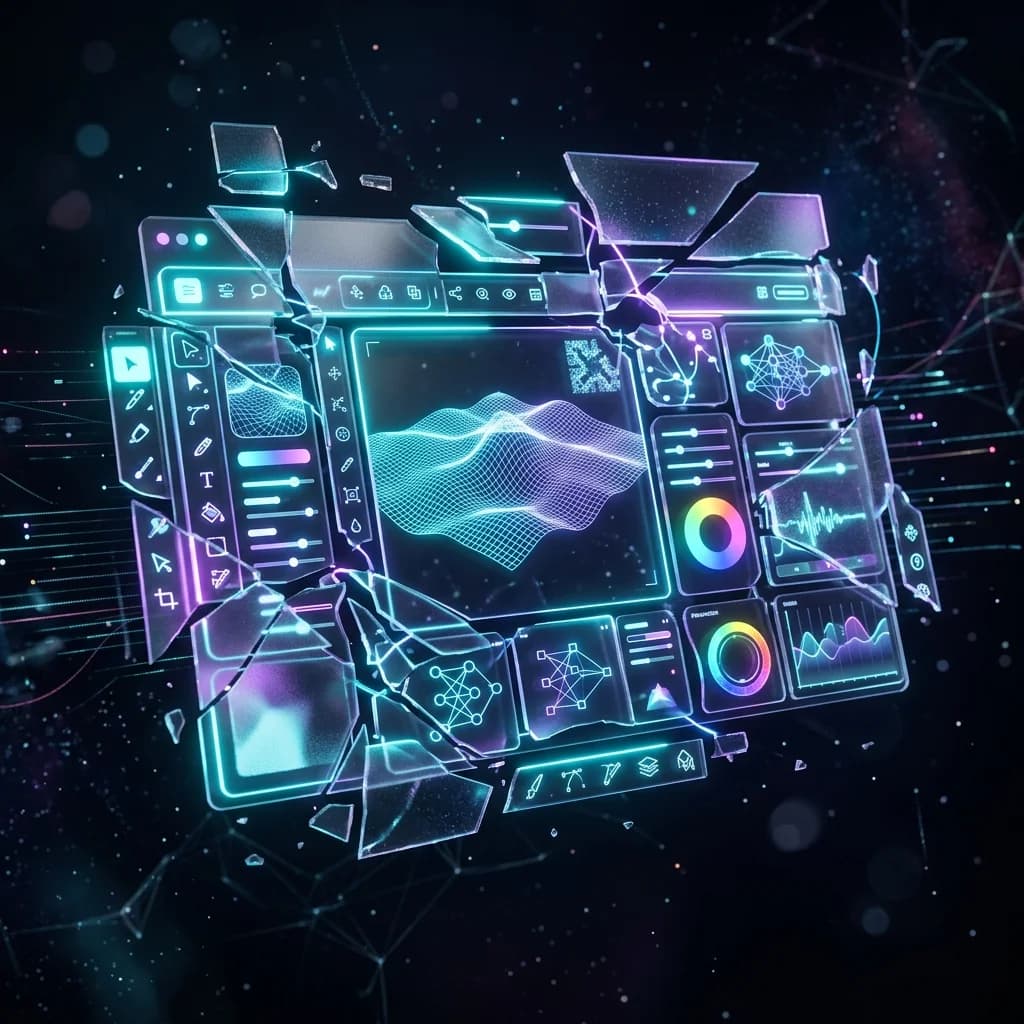
Static layouts are dying. Discover how Generative UI is allowing websites to render bespoke, personalized interfaces for every individual user in real-time.
For the past two decades, web design has followed a rigid paradigm: designers create a static layout in tools like Figma, developers write the code to match, and millions of users view the exact same interface regardless of their individual needs, preferences, or technical literacy.
Generative UI is completely tearing down this paradigm.
Generative UI is an interface that is created, adjusted, and rendered in real-time by Artificial Intelligence based on the user's immediate context. Instead of navigating through complex menus to find a specific setting, the user simply states what they want, and the UI morphs to present exactly the right controls.
Imagine logging into your banking dashboard. A 20-year-old college student might see a vibrant, gamified UI focused on saving goals and micro-investing. A 60-year-old retiree logging into the exact same platform might see a highly legible, high-contrast dashboard prioritizing retirement portfolio yields and security settings.
The UI adapts to the user's mood, device, physical environment, and goals. Interfaces can instantly adjust typography, contrast, and layout complexity for visually or cognitively impaired users. Users no longer have to learn how to navigate your software; your software learns how to navigate the user.
Instead of painting pixels and drawing exact screen states, designers are becoming System Architects. They define the boundaries, the brand guidelines, the design tokens (colors, spacing, typography), and the interaction physics. The AI then acts as the renderer, combining these tokens dynamically to serve the user.